
EDXRF · Vacuum · Na–U / Elemental analysis
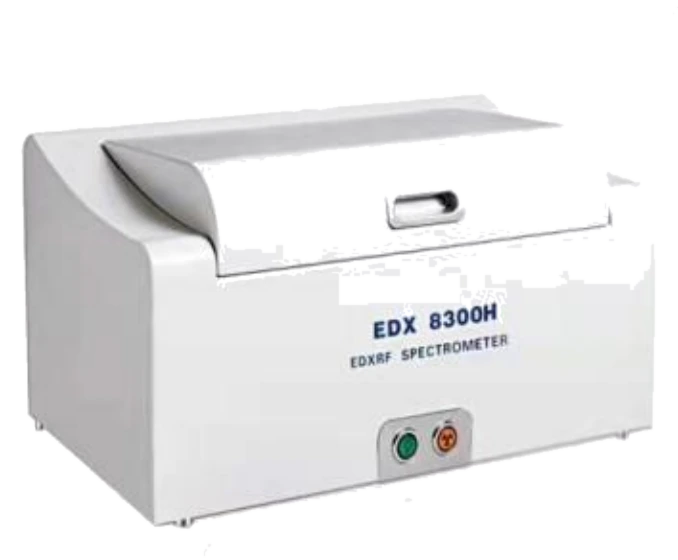
EDX8300HEDXRF Ore Analyzer
Vacuum EDXRF for ore, cement, limestone, coal, and alloy analysis, covering sodium to uranium.
EDX8300H
 YuBoo Instrument / Luoyang, China
01 / Why this configuration
Built around a real measurement decision.
The EDX8300H is a vacuum energy-dispersive XRF for elemental analysis of ores, minerals, cement, limestone, coal, and alloys. It covers sodium to uranium and uses a large sample chamber for prepared powders and solid samples.
Vacuum EDXRF for ore, cement, limestone, coal, and alloy analysis, covering sodium to uranium. The final specification is matched to the material range, sample form, and reporting requirement of your laboratory or production line.
02 / Configuration
Key specifications.
Use these as a starting point. Utility requirements, calibration ranges, and acceptance criteria are confirmed against the final configuration.
Have the material list or a drawing? Send it with the application so the configuration can be reviewed properly.
Request a configuration| Method | Energy-dispersive XRF, vacuum |
|---|---|
| Element range | Na–U |
| Concentration range | 1 ppm–99.99% |
| Measurement time | 30–200 s, adjustable |
| Sample chamber | Vacuum / non-vacuum large chamber |
| Detector | SDD |
| Sample types | Pressed powder pellets, solids |
| Environment | 15–30 °C; RH 40–70% |
Indicative configuration information. Final datasheet and performance specification are issued with the quotation and confirmed at order.
03 / Where it fits
Applications and materials.
Elemental analysis supports decisions across incoming material, production control, and final verification. The right method depends on the question the result has to answer.
See how we support the installation- Ore and mineral composition
- Cement and limestone analysis
- Coal and ash elemental checks
- Alloy and light-element analysis
- RoHS and halogen screening
- Incoming raw-material verification
Typical materials
If your alloy or sample form is not listed, send the details. Configuration is not limited to the examples shown here — but every recommendation should be checked against the actual material and measurement target.
Connected equipment
One result rarely stands alone.
Complete the workflow with the instruments that turn a single measurement into a process decision.
View all products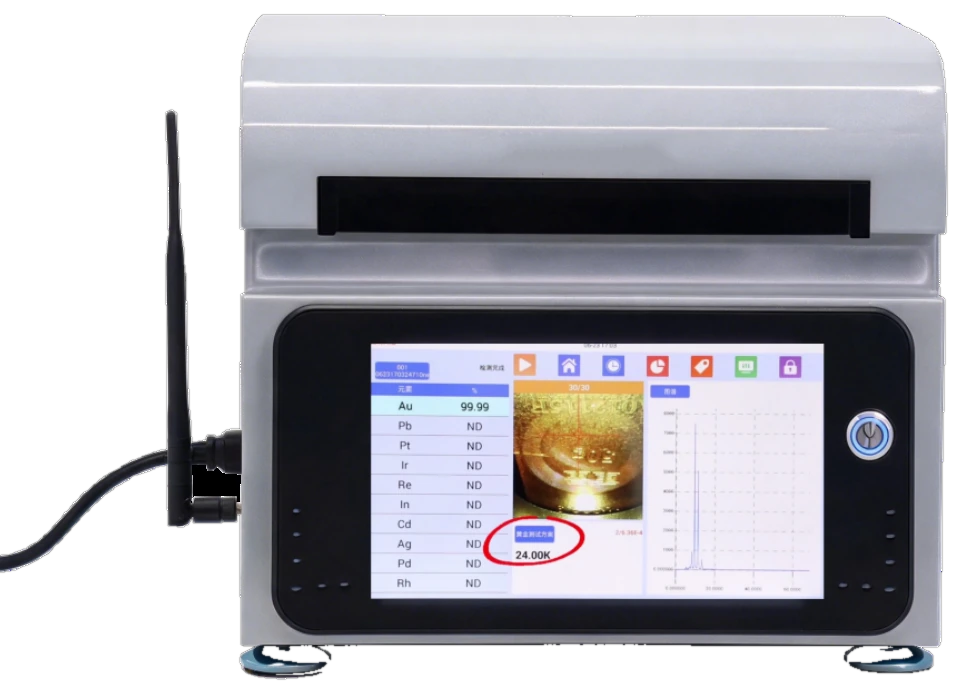
XRF Gold Analyzer
Benchtop XRF for gold purity and precious-metal composition, from 1K to 24K, with non-destructive measurement.
Explore model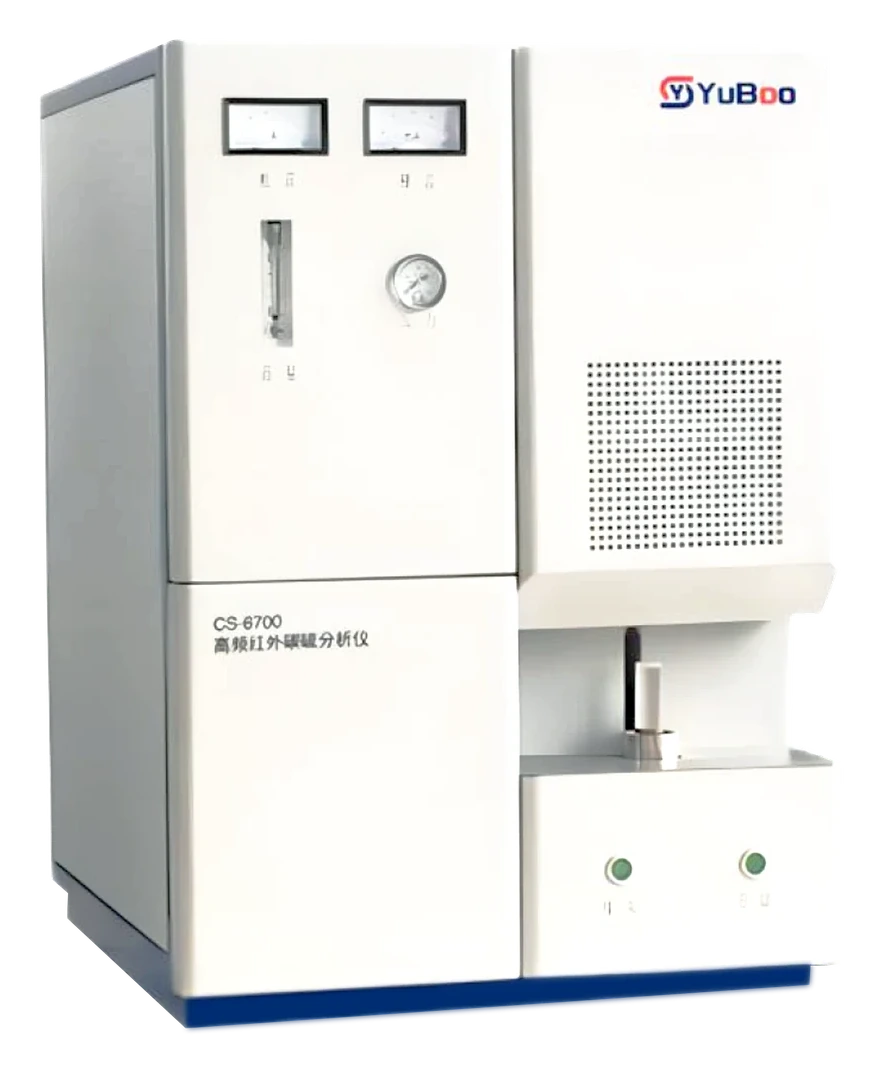
Carbon & Sulfur Analyzer
High-frequency combustion with infrared detection for carbon and sulfur — the complementary method when spark OES is not enough.
Explore model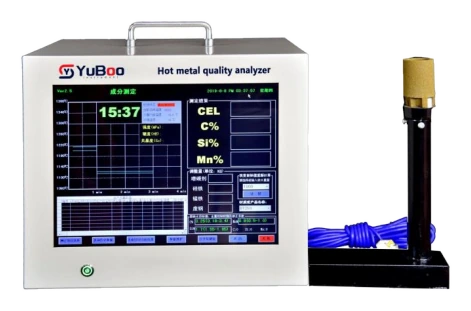
Hot Metal Quality Analyzer
Carbon equivalent, carbon, silicon, and manganese from the cooling curve — a furnace-side check before the pour.
Explore modelBefore you specify
EDX8300H — practical answers.
Still deciding? Send the material and the measurement target — we will reply with a practical next step.
Ask an application engineerWhat is the EDX8300H used for?
Vacuum EDXRF for ore, cement, limestone, coal, and alloy analysis, covering sodium to uranium. The configuration is matched to the material range, sample form and reporting requirement of the laboratory or production line.
Which materials and sample forms does the EDX8300H cover?
Typical materials: Iron ore, Copper ore, Limestone, Cement. Typical tasks: ore and mineral composition, cement and limestone analysis. If the material or sample form is not listed, send the details before committing — the configuration is not limited to the examples shown.
What are the key specifications of the EDX8300H?
Starting point: method Energy-dispersive XRF, vacuum; element range Na–U; concentration range 1 ppm–99.99%. These figures are indicative; utility requirements, calibration ranges and acceptance criteria are confirmed with the final configuration.
How is the configuration confirmed before ordering?
Send the material list, the sample form, the standard and the decision the result has to support. We confirm the configuration in the quotation, and a sample test can be arranged where the result is critical.
Put it to work
Configure EDX8300H around your material.
Send the alloy, sample form, elements of interest, and the decision the result needs to support. We will recommend a configuration and confirm the next step.