
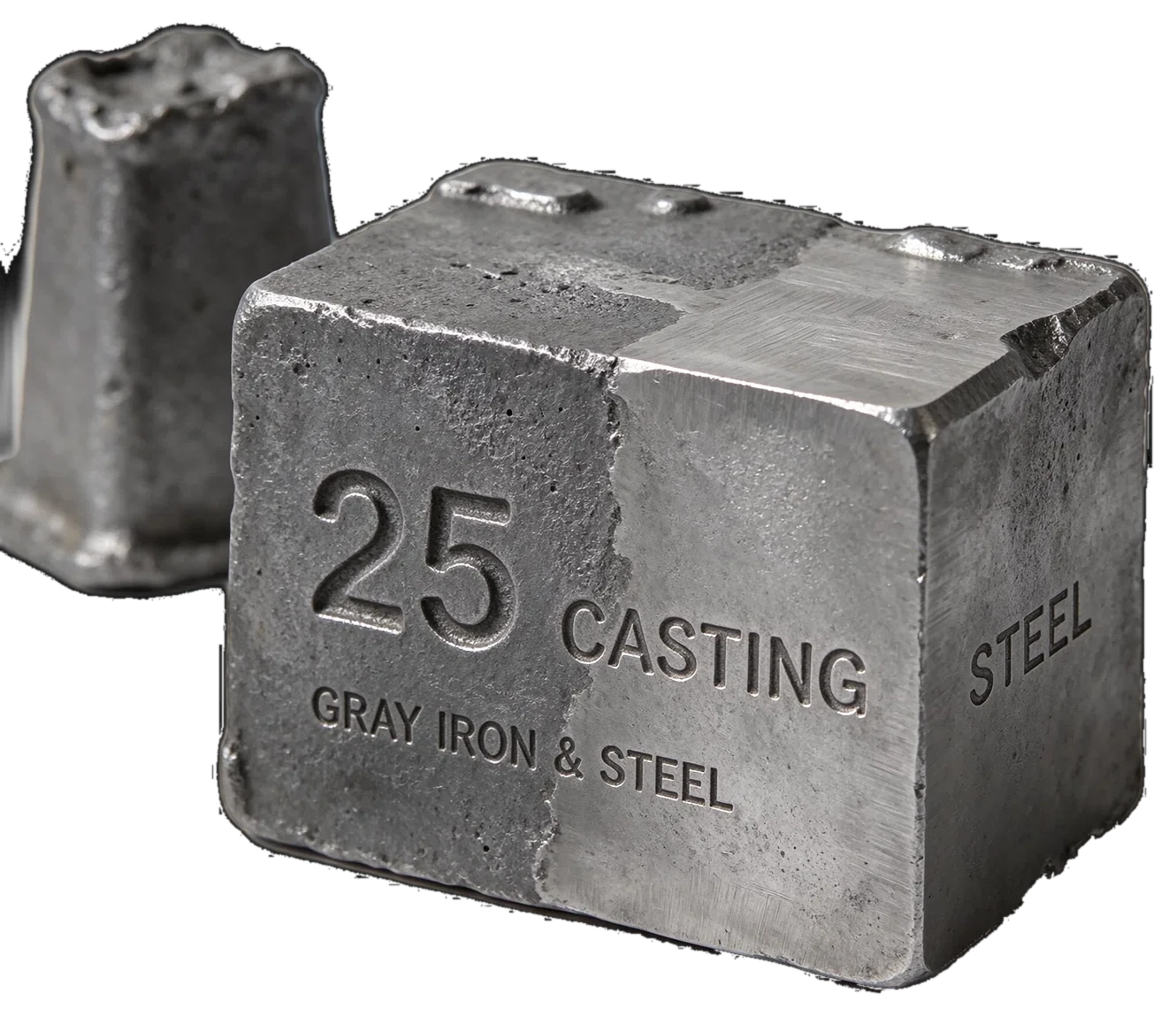
01 / Iron & steel foundries
Iron & steel foundries
Melt control, carbon equivalent, nodularity, and final chemistry for grey iron, ductile iron, and steel castings.
Manufacturer · Luoyang, ChinaExport & OEM support worldwide
Applications / Materials & decisions
OES is a method, not a product category. The useful starting point is the material, the elements that matter, the sample form, and what happens after the result.
Where OES fits
Each group starts with a different measurement decision. The recommended platform is a starting point; the final configuration follows the material and element programme.
01 / Iron & steel foundries
Melt control, carbon equivalent, nodularity, and final chemistry for grey iron, ductile iron, and steel castings.
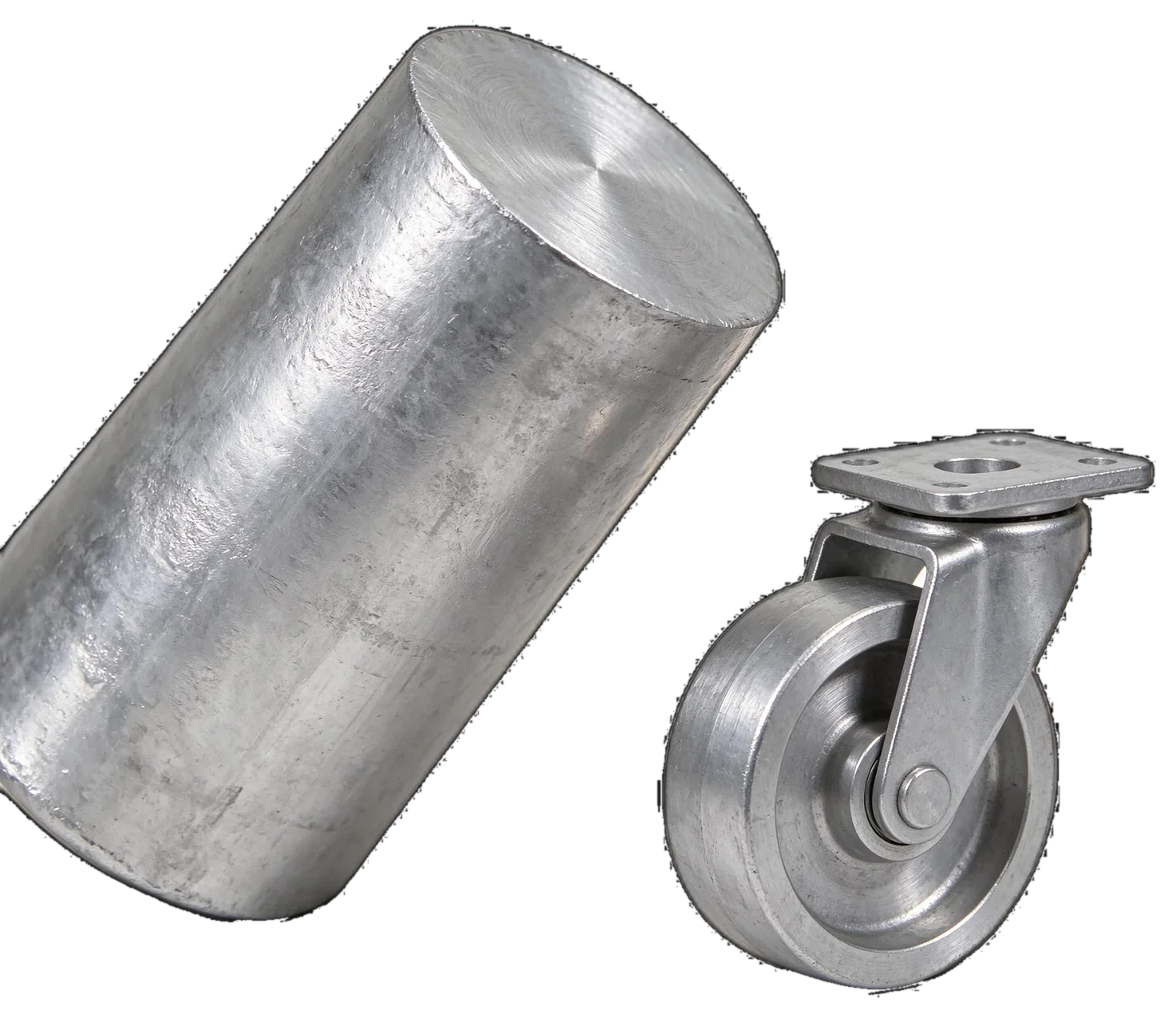
02 / Aluminium casters
Verify alloy grade, control silicon and magnesium, and sort incoming ingot and scrap before melting.
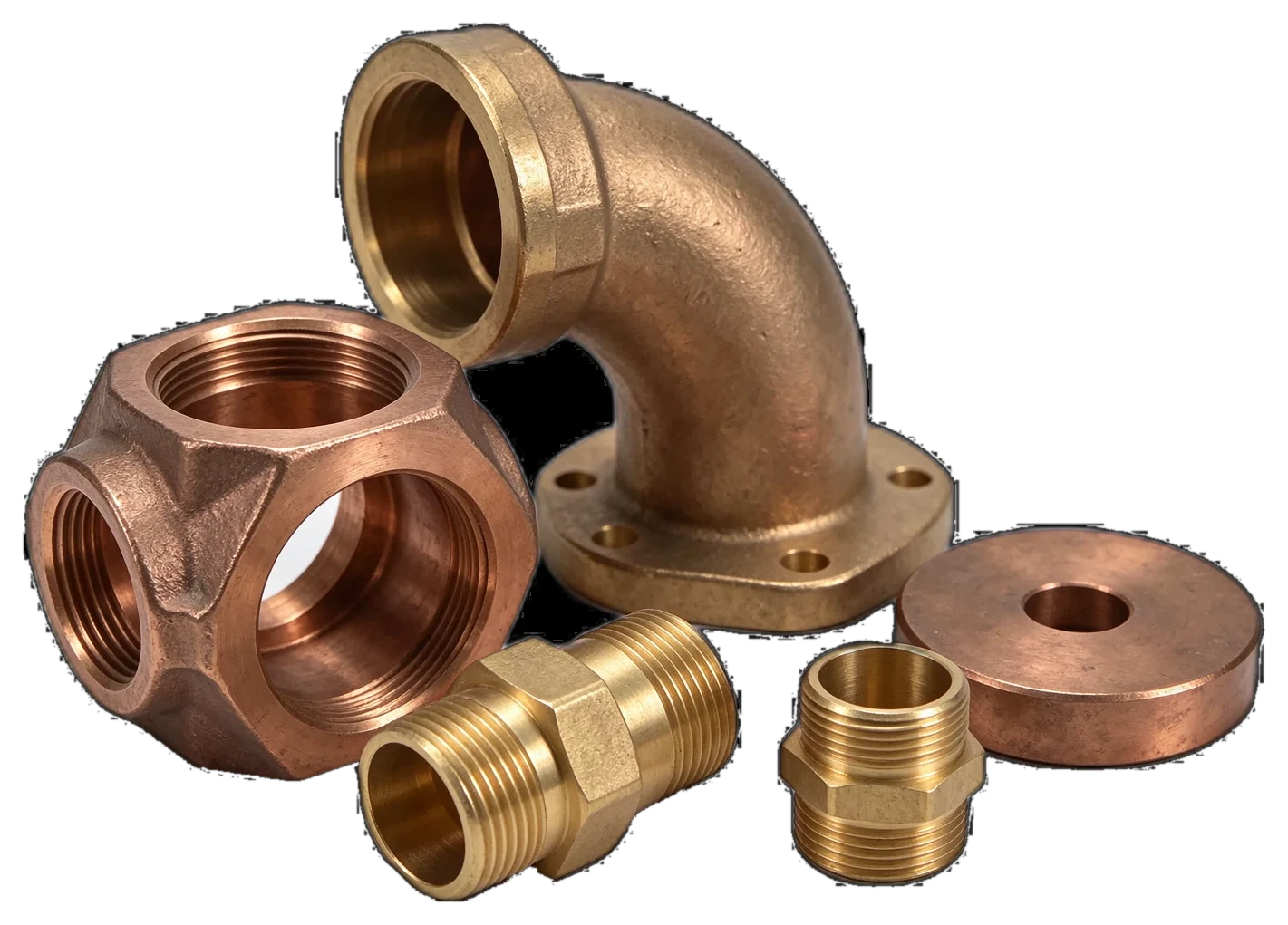
03 / Copper & brass
Confirm copper alloy composition and identify mixed or unverified material at goods-in and before dispatch.
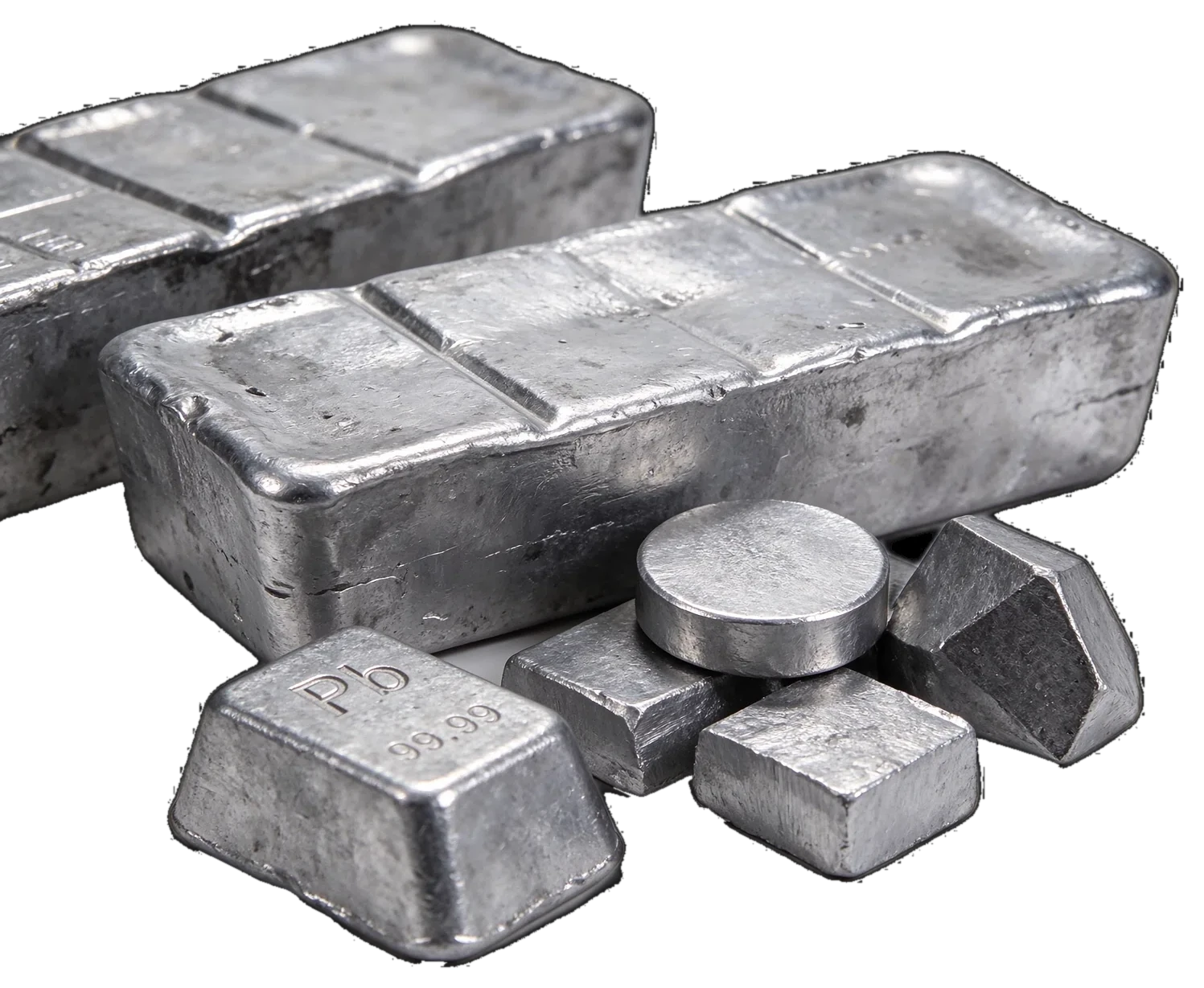
04 / Lead smelting & refining
Chemical control for primary and secondary lead, refined ingots, and lead alloys — from refining through final product.
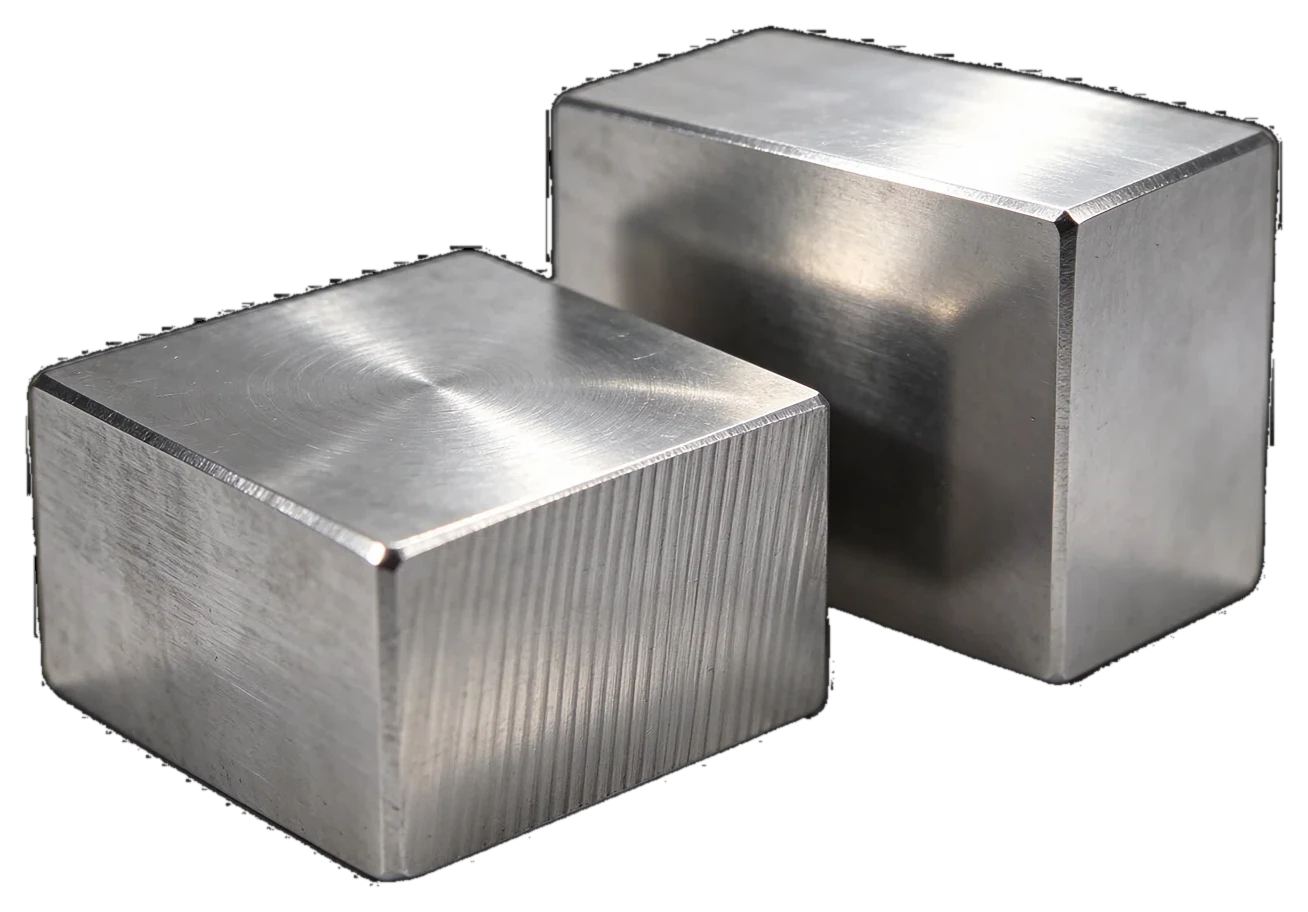
05 / Nickel & superalloys
Verify critical alloy chemistry for high-temperature and corrosion-resistant components with multi-base OES.
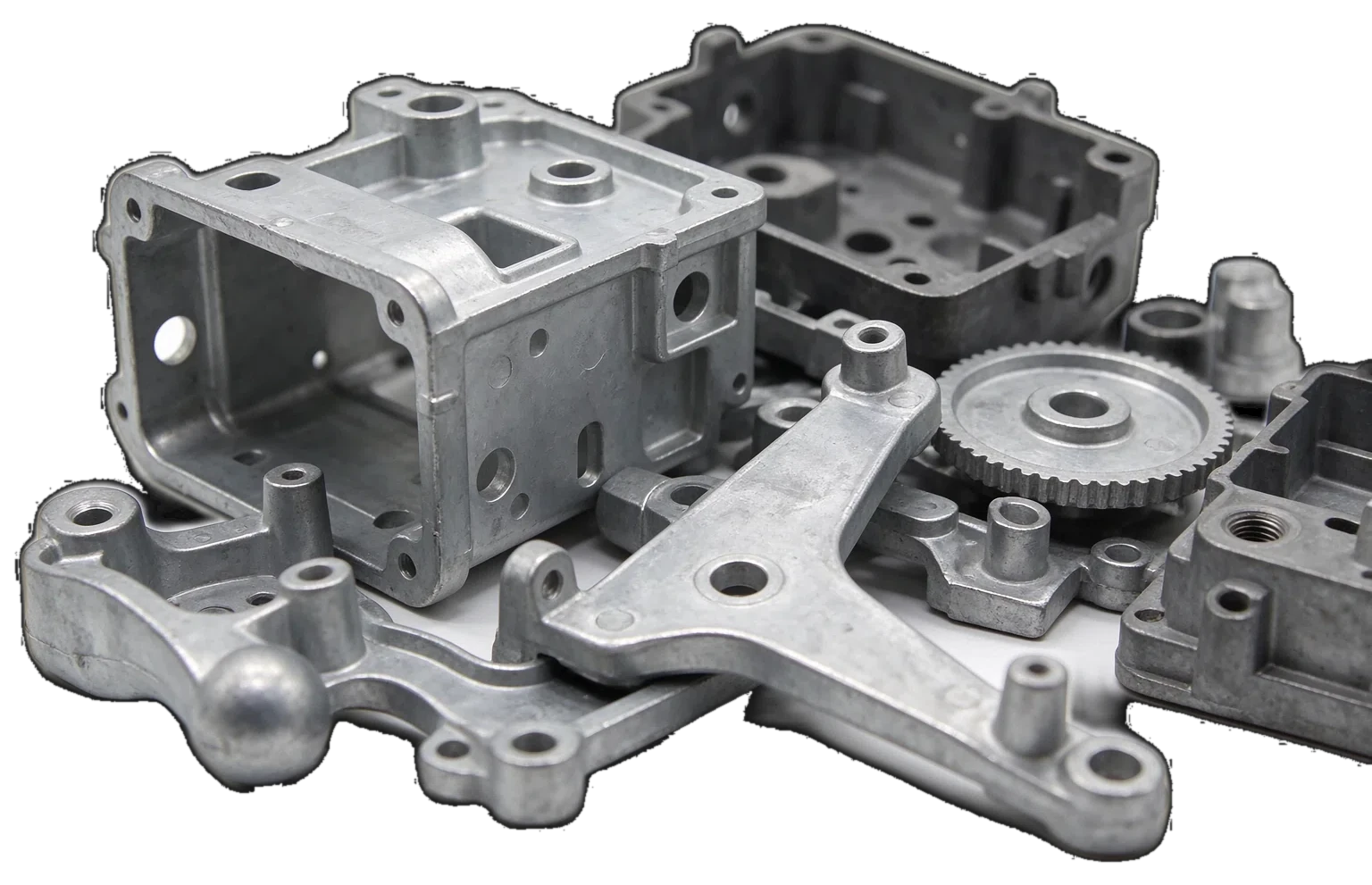
06 / Zinc & magnesium alloys
Composition control for zinc and magnesium alloys, from ingots and melt batches to die-cast and wrought components.
For fast, non-destructive grade screening or field sorting, handheld XRF or LIBS may be the more suitable method.
Not sure where to start?
We will confirm whether OES is the right method, which platform fits, and what the sample test should prove before you commit to a configuration.