Spark OES and XRF are often presented as competing ways to identify metal. In practice, they are different tools with different strengths. The right choice depends on what you need to measure, where the sample is, and how quickly the answer has to reach the furnace.
What spark OES measures
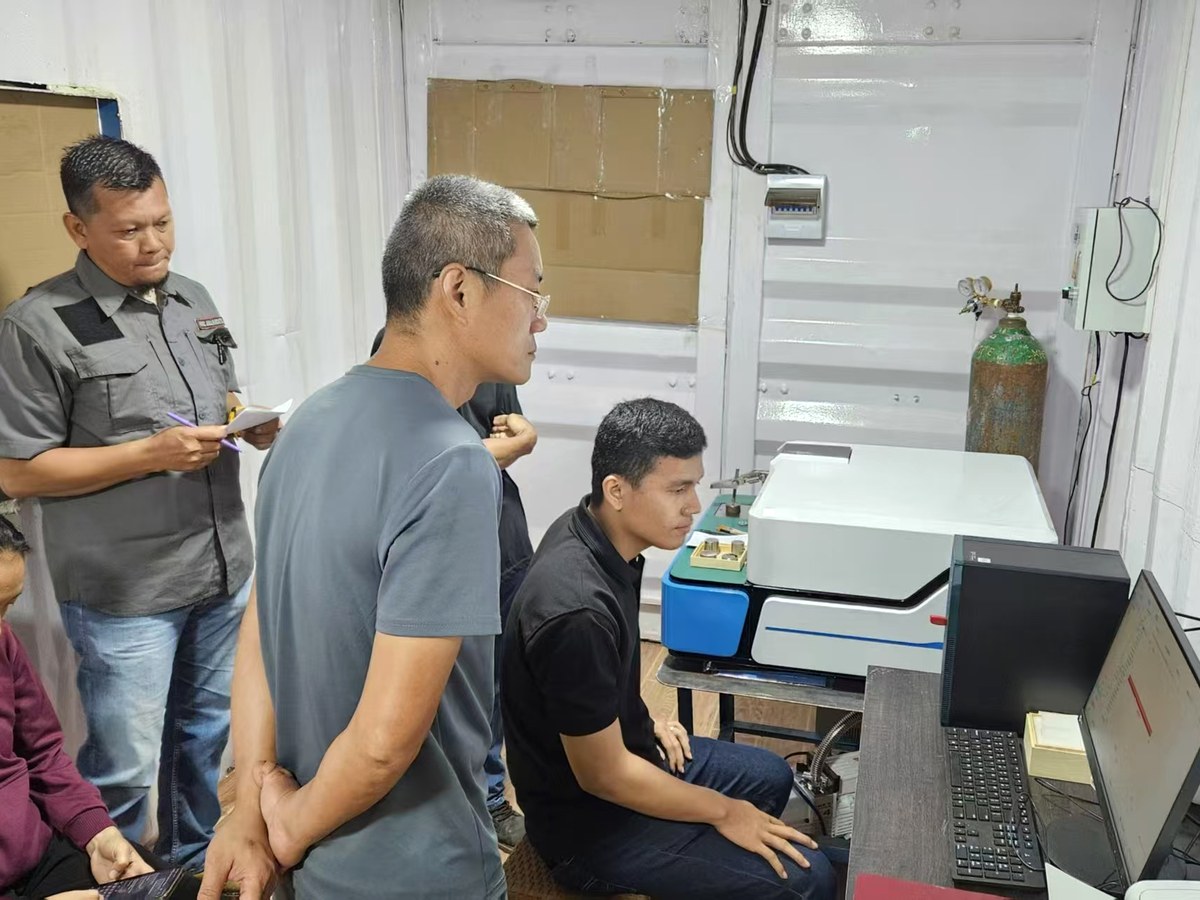
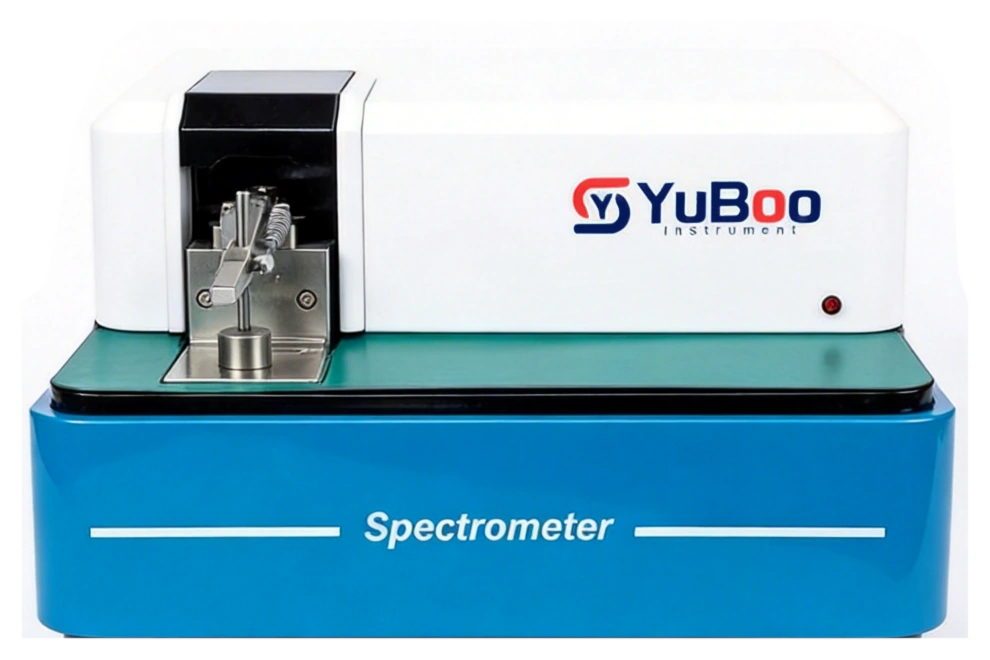
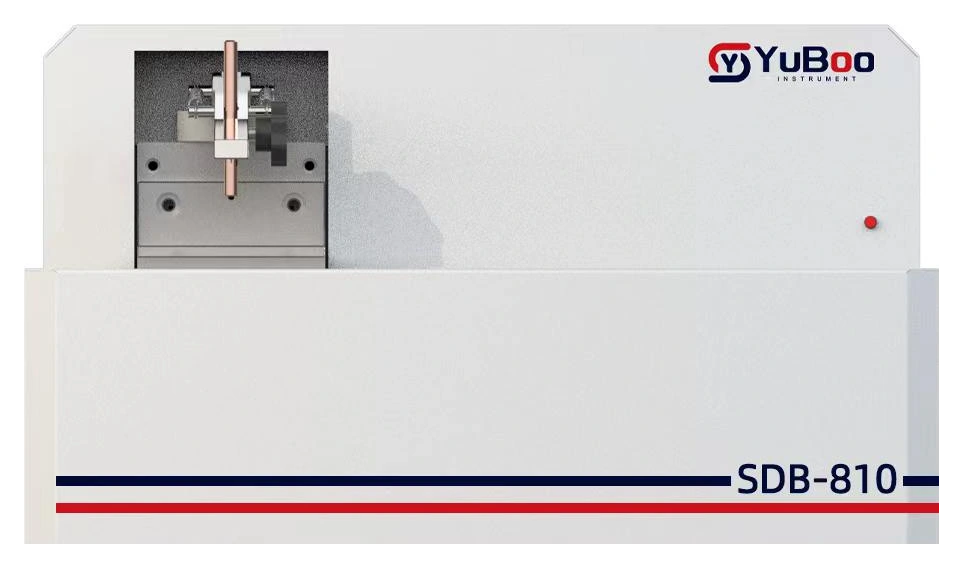
Optical emission spectrometry uses a high-energy spark to vaporise and excite a small area of the sample. The light emitted is separated into wavelengths, and each element produces a characteristic signal. Spark OES is well suited to the routine elemental analysis that foundries need: carbon, silicon, manganese, chromium, nickel, molybdenum, copper, and many others.
For iron and steel, spark OES is usually the default production method. It is fast, handles solid metal samples with minimal preparation, and can be calibrated across several alloy bases. Carbon and sulfur can be measured, though combustion analysis is often used as the independent reference for critical heats.
What XRF measures
X-ray fluorescence excites the sample with X-rays and reads the fluorescent radiation that comes back. Handheld XRF is excellent for grade identification and material sorting: point the analyser at a part, pull the trigger, and get an alloy match in seconds. It is also useful for large or installed components that cannot be brought to a spectrometer.
XRF is generally weaker for light elements such as carbon, silicon, and aluminium, depending on the instrument and configuration. That makes it a good sorting tool but not a complete replacement for spark OES in a foundry laboratory where carbon and silicon control the process.
Where each method fits
| Decision | Spark OES | XRF |
|---|---|---|
| Furnace melt control | Strong: fast, multi-element, carbon and silicon | Limited by light-element performance |
| Incoming material grade ID | Strong on prepared samples | Very strong: portable, fast, non-destructive |
| Large or installed parts | Sample must come to the instrument | Portable units can go to the part |
| Carbon and sulfur | Routine capability; confirm by combustion | Not the primary method |
| Finished-product verification | Good with a clean measurement surface | Good for alloy identity and PMI |
Sample preparation matters more than the brochure
A spark OES result is only as good as the surface it sparks. Grinding marks, contamination, porosity, and the wrong sample geometry can all shift a reading. A dedicated sample-preparation sequence — cutting, grinding, and a consistent finish — is part of the analytical method, not an accessory.
XRF has its own preparation considerations. Coatings, paint, rust, and surface contamination can interfere with the measurement. A handheld analyser is fast, but the operator still needs to know what the instrument is actually seeing.
A practical combination
For a foundry producing iron or steel castings, spark OES is usually the core laboratory instrument. XRF can complement it for scrap sorting, incoming goods, and field verification. Add combustion analysis for critical carbon and sulfur, and the laboratory has a way to cross-check the results that matter most.
If you are choosing a first instrument, start with the decisions you make every day. If those decisions are melt chemistry and final composition, spark OES is the place to begin. If they are mostly grade identification on large parts, portable XRF may be the better first step.
Questions to ask before you buy
- Which alloy bases and grades do you actually analyse?
- Which elements are critical, and at what concentration range?
- Where is the sample, and who prepares it?
- What record does the customer or standard require?
- Who will calibrate and maintain the instrument?
The answers usually make the choice obvious — and they are the same questions a good application engineer will ask before quoting either method.
Common questions
Can spark OES replace XRF completely?
Not always. Spark OES is stronger for routine melt chemistry and quantitative verification, while handheld XRF suits portable grade ID and large parts. LIBS adds aluminium grades and carbon in steel. Many plants use more than one method.
Is spark OES destructive?
Spark OES leaves a small burn mark on the measurement surface. It is usually treated as a semi-destructive test because the sample surface is affected, even though the part can often still be used.
Which method is better for carbon in cast iron?
Spark OES is routinely used for carbon in cast iron, but combustion infrared analysis is commonly used as the independent reference for critical carbon and sulfur checks.
Published by YuBoo Application Engineering
Share by email