
LIBS / Aluminium / Handheld series
Y-300Aluminium grades in a second.
A handheld LIBS for aluminium alloy grades. One-second grade identification and element display, with a compact body for warehouse and production-floor sorting.
Y-300
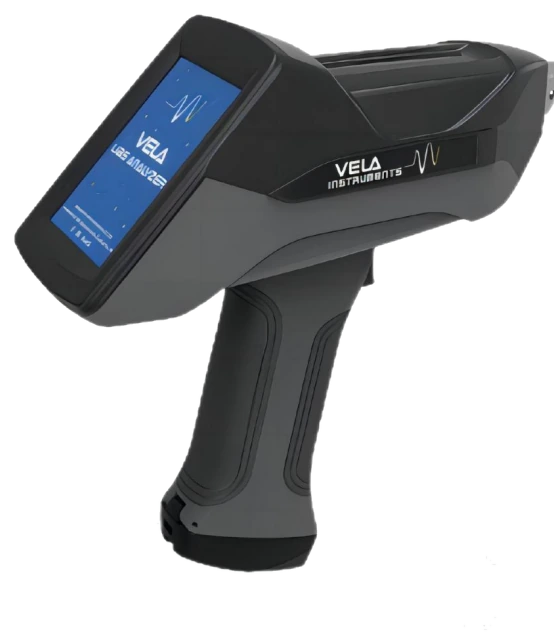 Specification confirmed at quotation
01 / Why this model
One question, answered properly.
The Y-300 answers aluminium grade questions in about a second, with no X-ray tube and no licence paperwork. For a warehouse sorting 1xxx to 8xxx aluminium and recycled material all day, that speed and simplicity matter more than a wider element list.
Best forAluminium grade ID, recycled aluminium sorting, and PMI of aluminium components.
02 / Specification
Key numbers.
These are the figures that decide whether a reading is usable: spot size, element coverage, measurement time and excitation.
Send the material list and the decision the result has to support. We will confirm the configuration and the sample form.
Request a configuration| Method | LIBS · 1064 nm |
|---|---|
| Weight | 1.8 kg |
| Coverage | Al 1–8 series |
| Measurement | ≈ 1 s |
| Screen | 4-inch touchscreen |
| Protection | IP54 |
Indicative specification for comparison. The datasheet and acceptance criteria are confirmed with the quotation.
03 / Where it fits
Applications and materials.
Choose the model on the element set and the sample form, not on the brand. If the material list is not here, send it before committing.
See how handover and training work- Aluminium grade identification in receiving and dispatch
- Recycled aluminium sorting
- PMI of aluminium components and extrusions
- Production-floor verification without laboratory turnaround
Typical materials
The rest of the series
Same question, different coverage.
Pick by element coverage and spot size first, then by speed, ergonomics and the service route in your country.
All handheld models| Model | Method | Best for | Detail |
|---|---|---|---|
| SciAps X-50 | XRF · 7 mm² SDD | Alloy ID, coatings, precious metals, and RoHS screening — not the choice when Mg, Al, Si, S, or P matter. | View |
| SciAps X-200 | XRF · 20 mm² SDD | Scrap sorting, PMI, and alloy identification where aluminium and a wider element set matter. | View |
| K-5000T | XRF · Mg–U | Alloy ID, precious metals, pressure vessels, scrap recycling, and aerospace material verification. | View |
| Y-400 | LIBS · 1064 nm | Carbon verification in stainless, alloy, and carbon steels, plus incoming and PMI checks. | View |
| SciAps Z-903 | LIBS · 1064 nm | Lithium-bearing rocks, soils, ceramics, and geochemical exploration. | View |
Before you specify
Y-300 — practical answers.
Still deciding? Send the material and the measurement target — we will reply with a practical next step.
Ask an application engineerDoes it need argon?
No for aluminium grades. Argon is required for carbon measurement on the Y-400, not for the Y-300 aluminium work.
Can it measure steel or carbon?
The Y-300 is specified around aluminium grades. For carbon in steel choose the Y-400; for full steel chemistry choose spark OES.
Why LIBS instead of XRF for aluminium?
LIBS identifies aluminium grades quickly and needs no X-ray licensing. XRF remains the better tool when a wide element set or heavy-element trace work is required.
Put it to work
Send the material, not just the model number.
Tell us the alloy or element set, the sample form and the decision the reading has to support. We will confirm whether Y-300 is the right instrument — and say so when it is not.