
Electronic · 200 N / Mechanical testing
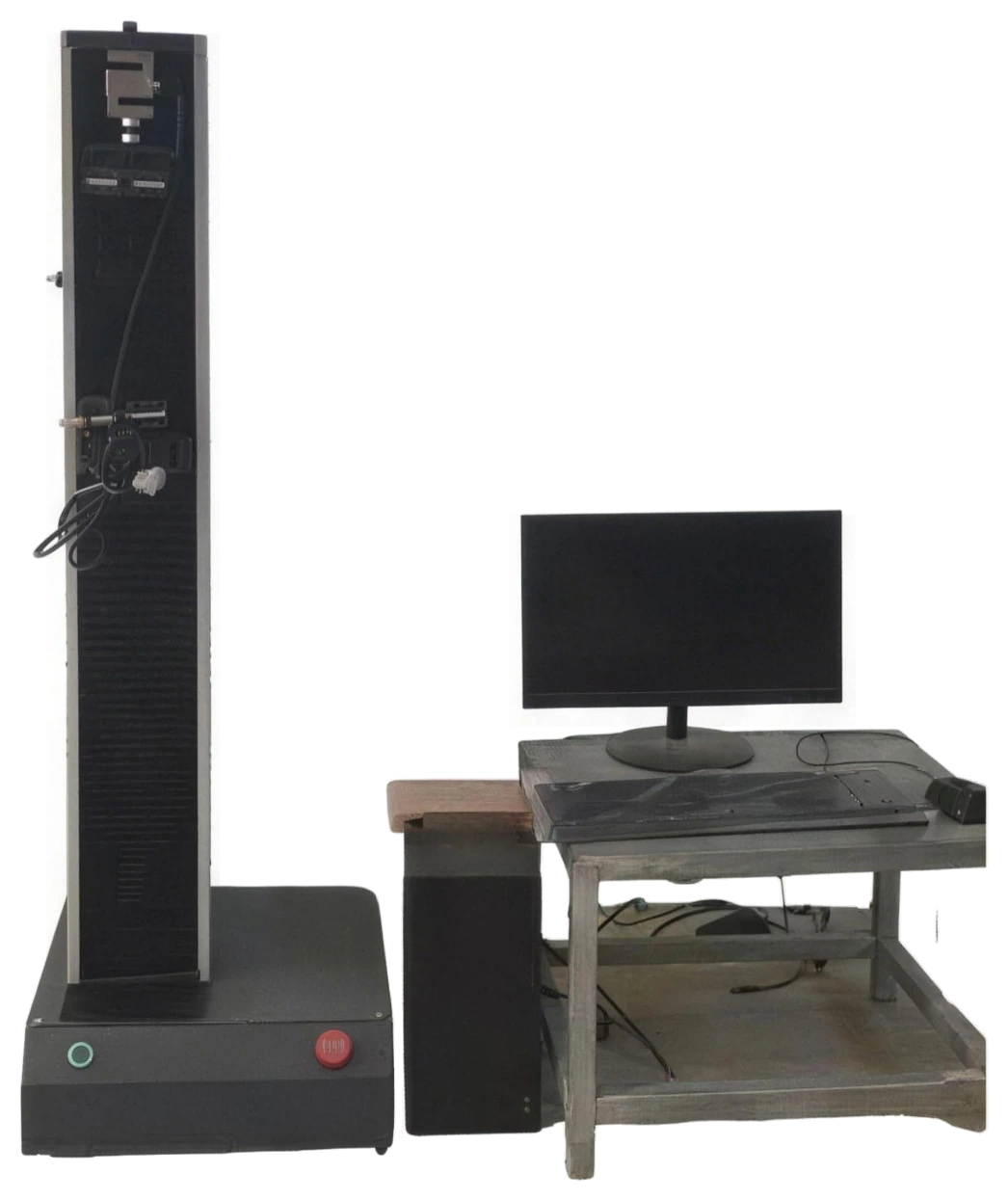
WDW-2Single-Column Electronic UTM
A single-column electronic UTM for low-force tensile, compression, and bending tests.
WDW-2
 YuBoo Instrument / Luoyang, China
01 / Why this configuration
Built around a real measurement decision.
The WDW-2 is a microcomputer-controlled electronic universal testing machine for low-force testing. It is suited to wire, foil, small components, and finished parts where a compact, single-column frame is enough.
A single-column electronic UTM for low-force tensile, compression, and bending tests. The final specification is matched to the material range, sample form, and reporting requirement of your laboratory or production line.
02 / Configuration
Key specifications.
Use these as a starting point. Utility requirements, calibration ranges, and acceptance criteria are confirmed against the final configuration.
Have the material list or a drawing? Send it with the application so the configuration can be reviewed properly.
Request a configuration| Type | Electronic universal testing machine |
|---|---|
| Capacity | 200 N |
| Frame | Single-column |
| Tests | Tension, compression, bending |
| Control | Microcomputer controlled |
| Application | Wire, foil, small components |
| Fixture | Configured to the sample |
| Output | Digital test records |
Indicative configuration information. Final datasheet and performance specification are issued with the quotation and confirmed at order.
03 / Where it fits
Applications and materials.
Mechanical testing supports decisions across incoming material, production control, and final verification. The right method depends on the question the result has to answer.
See how we support the installation- Wire and foil tensile tests
- Small-component strength checks
- Adhesive and film testing
- Incoming material verification
- R&D sample testing
- Production quality checks
Typical materials
If your alloy or sample form is not listed, send the details. Configuration is not limited to the examples shown here — but every recommendation should be checked against the actual material and measurement target.
Connected equipment
One result rarely stands alone.
Complete the workflow with the instruments that turn a single measurement into a process decision.
View all products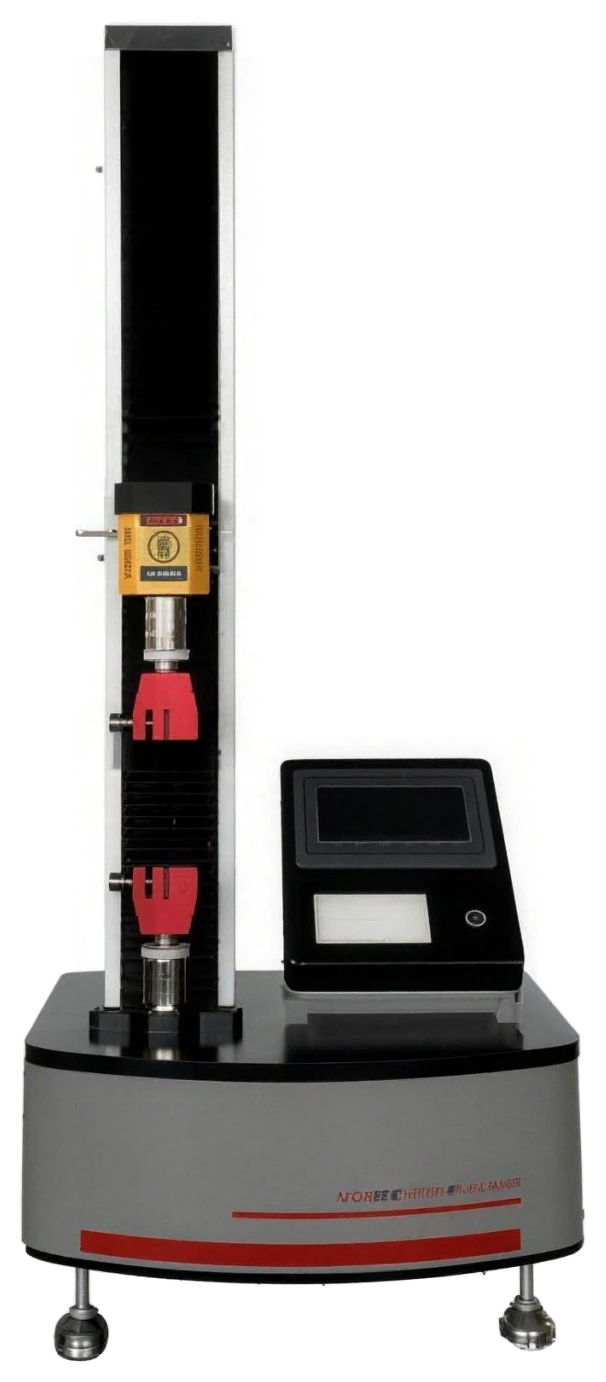
Tabletop Electronic UTM
A tabletop electronic UTM for tensile, compression, and bending tests on small and medium samples.
Explore model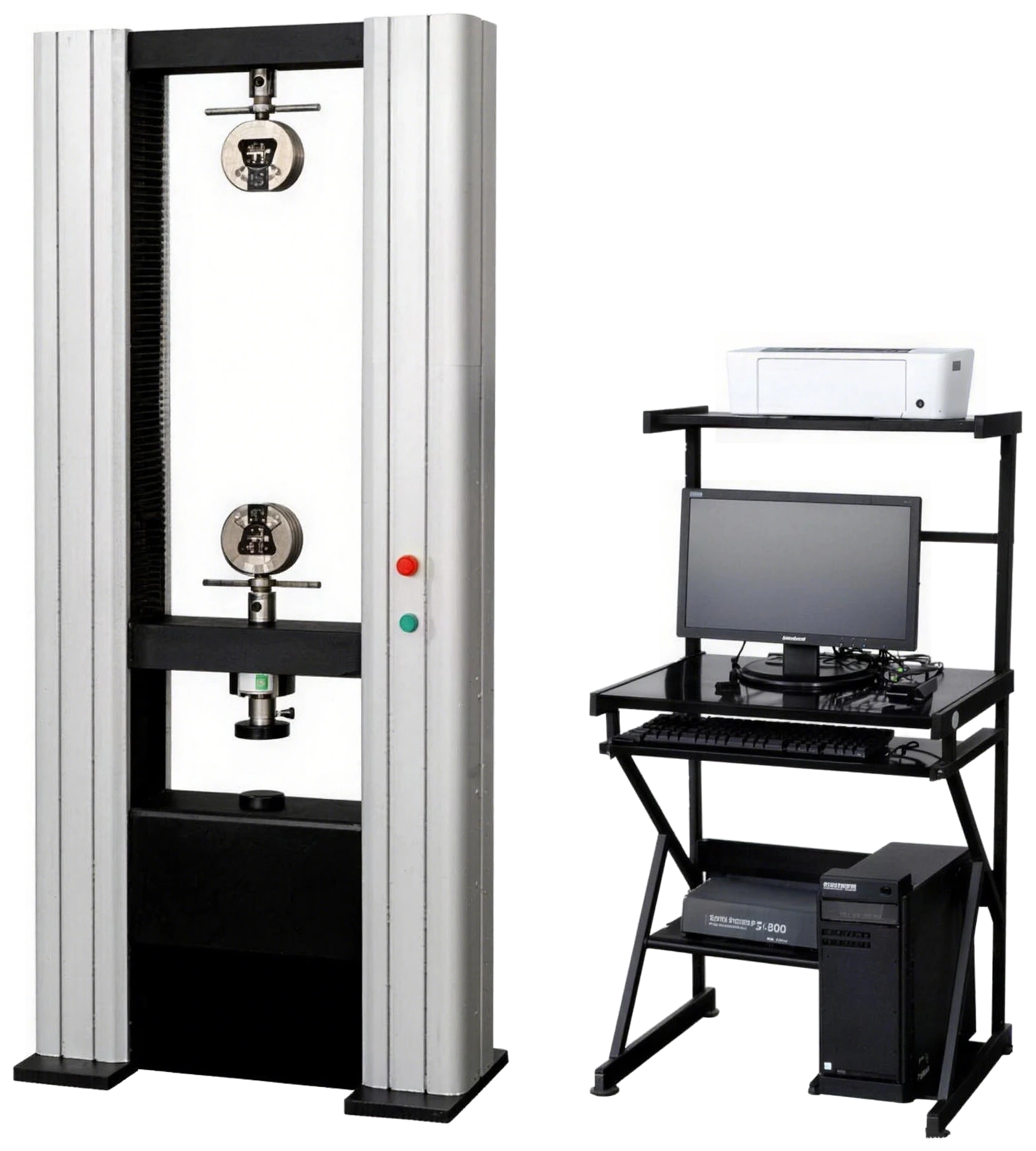
Double-Column Electronic UTM
A double-column electronic UTM for tensile, compression, and bending tests at 10 kN class.
Explore model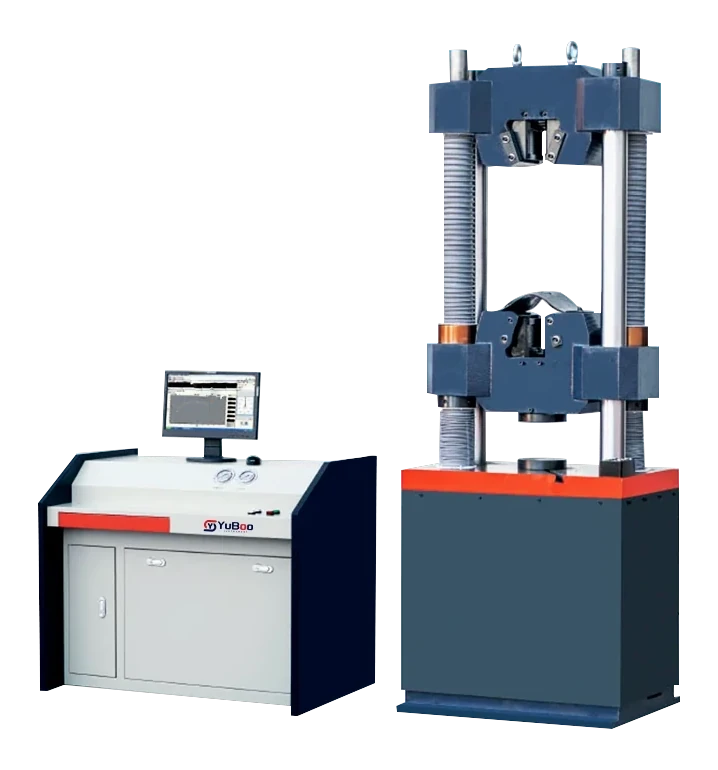
Universal Testing Machine
Prove the mechanical properties behind the chemistry: tensile strength, yield, elongation, compression, and bending.
Explore modelBefore you specify
WDW-2 — practical answers.
Still deciding? Send the material and the measurement target — we will reply with a practical next step.
Ask an application engineerWhat is the WDW-2 used for?
A single-column electronic UTM for low-force tensile, compression, and bending tests. The configuration is matched to the material range, sample form and reporting requirement of the laboratory or production line.
Which materials and sample forms does the WDW-2 cover?
Typical materials: Steel wire, Non-ferrous wire, Foil, Plastics. Typical tasks: wire and foil tensile tests, small-component strength checks. If the material or sample form is not listed, send the details before committing — the configuration is not limited to the examples shown.
What are the key specifications of the WDW-2?
Starting point: type Electronic universal testing machine; capacity 200 N; frame Single-column. These figures are indicative; utility requirements, calibration ranges and acceptance criteria are confirmed with the final configuration.
How is the configuration confirmed before ordering?
Send the material list, the sample form, the standard and the decision the result has to support. We confirm the configuration in the quotation, and a sample test can be arranged where the result is critical.
Put it to work
Configure WDW-2 around your material.
Send the alloy, sample form, elements of interest, and the decision the result needs to support. We will recommend a configuration and confirm the next step.